
Saas Applications

  • Home
  • Saas Applications

SaaS Applications for Modern Businesses

At Gracewell Technologies, we develop SaaS applications designed to help businesses, educational institutions, and organizations manage their digital activities more efficiently. Our SaaS application development focuses on creating practical, user-friendly, and functional applications that address specific organizational requirements.

As businesses and institutions increasingly adopt digital technologies, SaaS applications play an important role in simplifying everyday activities. They provide an accessible digital environment where users can perform specific tasks, submit information, and manage various processes.
Explore Our SaaS Applications

Discover our SaaS applications developed for educational assessments and digital registration. Each application addresses a specific requirement and supports organizations in managing their activities through an online environment.

01

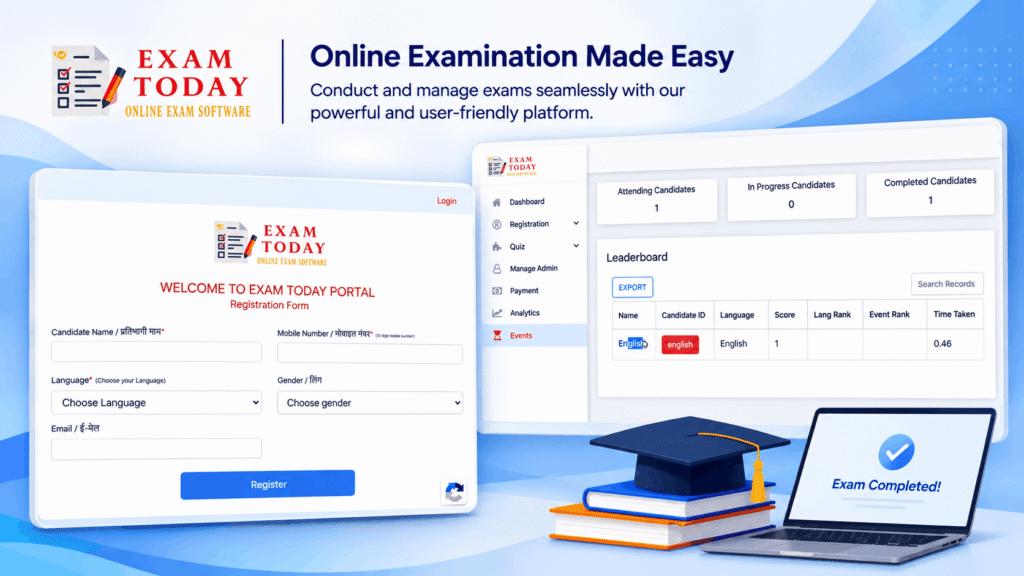
Online Exam Software

Gracewell Technologies provides online examination software designed to help educational institutions conduct and manage digital exams. The platform supports the organization of assessments and provides students with an online examination experience.

This project focuses on bringing examination activities into a digital environment, helping educational institutions manage their assessment requirements and examination processes.

Online Examination Educational Software Digital Assessment
View Online Exam Software

Digital Examination Management

Supporting online assessments and examination-related activities through a digital platform.

02

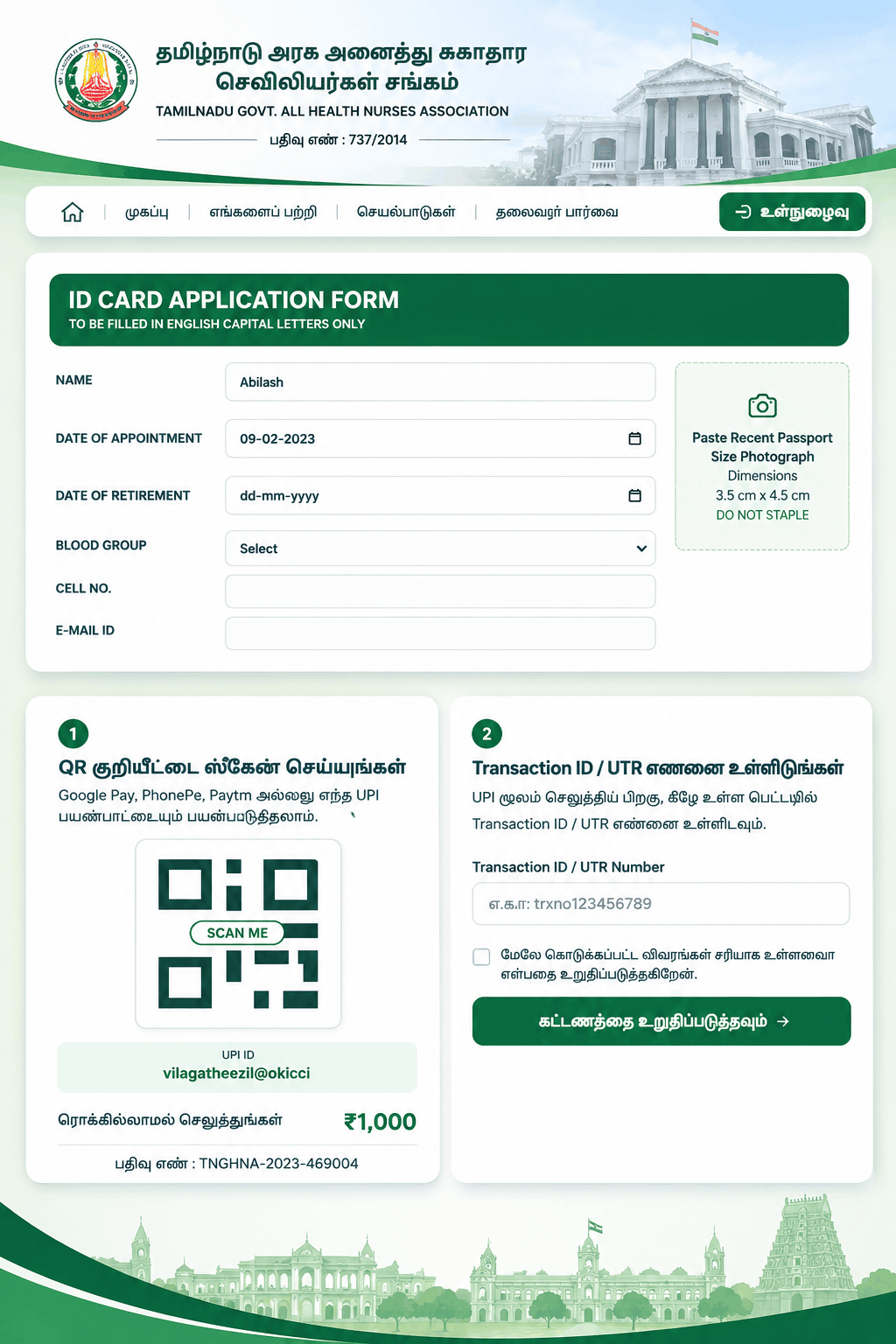
Online Membership Registration

Gracewell Technologies provides an online membership registration solution designed to help organizations collect membership details and registration information through a digital platform.

This project focuses on making registration activities easier to manage by providing an online process for users to submit their information.

Online Registration Membership Forms Digital Management
View Membership Registration

Digital Membership Registration

Helping organizations collect membership and registration details online.

Benefits of SaaS Applications for Businesses and Organizations

SaaS applications can help organizations move selected activities into a digital environment. Furthermore, they provide an alternative to managing every process through traditional manual methods.

Accessible Online Applications

SaaS applications are generally accessed through internet-connected devices. As a result, users can access supported application features without depending on a single physical workstation.

Simplified Digital Processes

By bringing specific activities online, organizations can manage selected tasks through digital workflows. Consequently, everyday administrative activities can become easier to organize.

Convenient Information Submission

Online forms provide users with a convenient way to submit information. Additionally, organizations can collect registration and other required details through digital channels.

Reduced Paper-Based Activities

Digital applications can reduce the need for paper-based information collection. Therefore, organizations can move towards more organized digital processes.

Purpose-Driven Functionality

Different organizations have different requirements. For this reason, SaaS applications are developed around their intended purpose and the functions needed by their users.

Who We Support

Industries and Organizations Using SaaS Applications

SaaS applications are used across different industries because organizations have varying operational and administrative requirements.

Education and Training

Educational institutions and training organizations can use online examination applications to support digital assessments and examination-related activities.

Membership Organizations

Associations, clubs, and communities can use online membership registration applications to collect member details and manage enrollment activities.

Business Organizations

Businesses can adopt suitable SaaS applications to organize selected operational activities and support digital workflows.

Institutions and Communities

Institutions and communities can benefit from digital registration and online information collection, depending on their requirements.

How We Work

Our SaaS Application Development Process

A structured development process helps ensure that an application meets its intended requirements. Accordingly, we follow a series of development stages.

01

Requirement Analysis
First, we understand the purpose of the application, its intended users, and the required functionality.

02

Planning and Design
Next, we plan the application structure, interface, and user workflows.

03

Application Development
Based on the approved requirements, we develop the application functionality using appropriate technologies.

04

Testing and Validation
Furthermore, we review application features and test their functionality to identify and resolve issues.

05

Deployment
Once development and testing are completed, the application can be prepared for implementation in its intended environment.

(FAQs)

Frequently Asked Questions About SaaS Applications

SaaS (Software as a Service) applications are applications made available to users over the internet. Typically, users access them through a web browser without having to install and manage the complete application infrastructure on their individual devices.

SaaS application development involves planning, designing, building, and maintaining applications that are delivered as services through an online environment.

SaaS applications can help educational institutions move selected activities into a digital environment. For example, online examination applications support digital assessment activities and examination processes.

Yes. SaaS applications can be suitable for small businesses, growing companies, and larger organizations, depending on their operational requirements and the application's functionality.

Traditional applications are often installed and managed on individual computers or organizational infrastructure. In contrast, SaaS applications are generally accessed through the internet and delivered according to the provider's hosting and service model.